
Turn Curiosity Into Science, Robots & the Stars

Browse Topics →

Hands-on STEM guides written for parents and kids - no PhD required. Discover robotics projects, astronomy activities, and science experiments that actually excite young minds.

Plus honest kit comparisons, budget-friendly picks, fun math ideas, book reviews, and skill-building guides - everything you need to nurture a curious child.

📚

105

Articles & guides

🧒

Ages 4-12

And their parents

🤷‍♂️

100%

Non-technical parent friendly

Browse by Topic

STEM

STEM

Robotics breakthroughs, kitchen-counter experiments, stargazing guides, and maths that actually feels fun. We cover all four corners of STEM for children aged 4 to 12 and the parents alongside them. Every article is written to spark curiosity, not stress. You will find real robot news, hands-on science you can do with things already in your cupboard, space discoveries explained simply, and math puzzles that change minds. Everything is free, and none of it requires a science degree to enjoy.
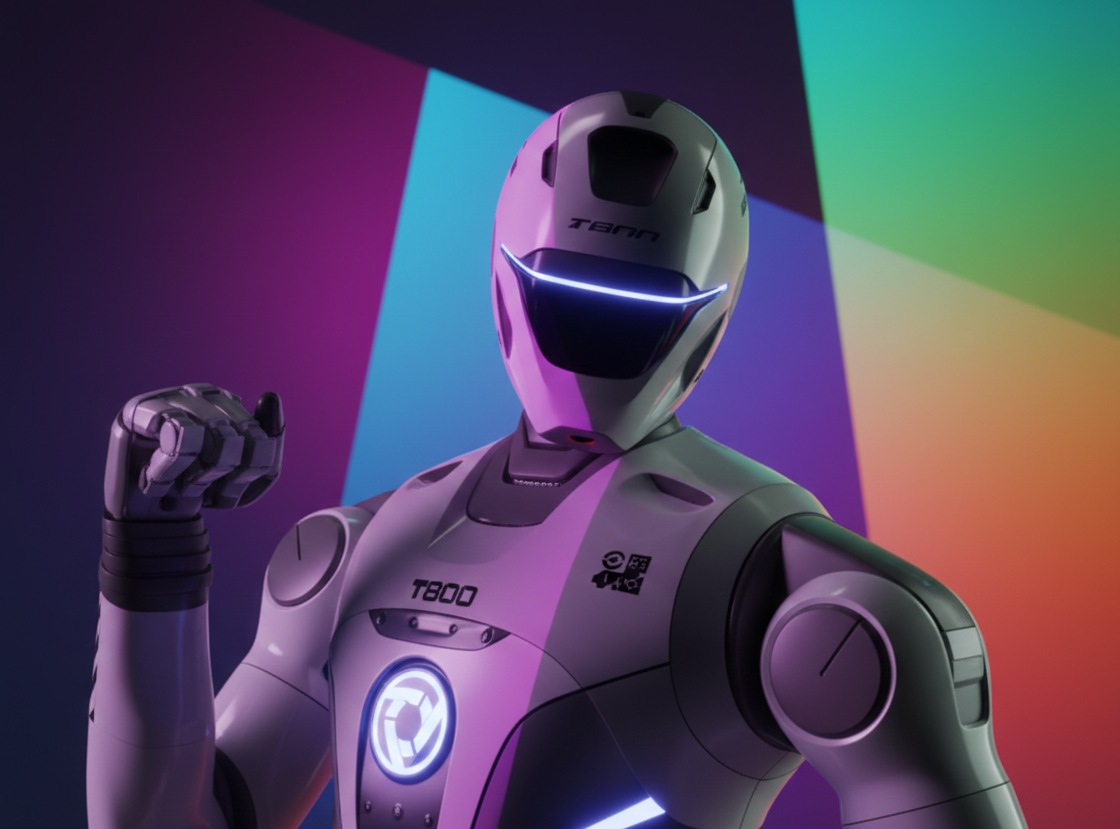

Robotics

Robotics

From first coding toys to open-ended kits for teens who don't read instructions. Every guide is organised by age and explains what to expect, which kits suit that stage, and what to say when things go wrong. Non-technical parents have a whole section written just for them. Product comparisons go beyond star ratings, and our brain development articles translate real research into plain language. You do not need to be an expert to help your child get started. No engineering degree required

Astronomy

Astronomy

Planets, constellations, and cloudy-night stories. Children look up and ask questions in the dark, and this section helps you keep those questions coming. You will find planet guides, surprising fun facts perfect for car journeys and bedtime, gentle stories for evenings when the sky is not clear, and honest book reviews tested with actual children. Everything here is designed to be shared. Read it together, look up together, and let the questions lead wherever they go.

Find The Right Starting Point