Is It Just Play? What's Actually Happening When Your Kid Builds Robots
Robotics looks like play. Your child is building, programming, watching things move (or fail to move). It's engaging, it's fun, and yes—it's also deeply educational. But not in the way you might expect. Robotics doesn't just teach coding or engineering.
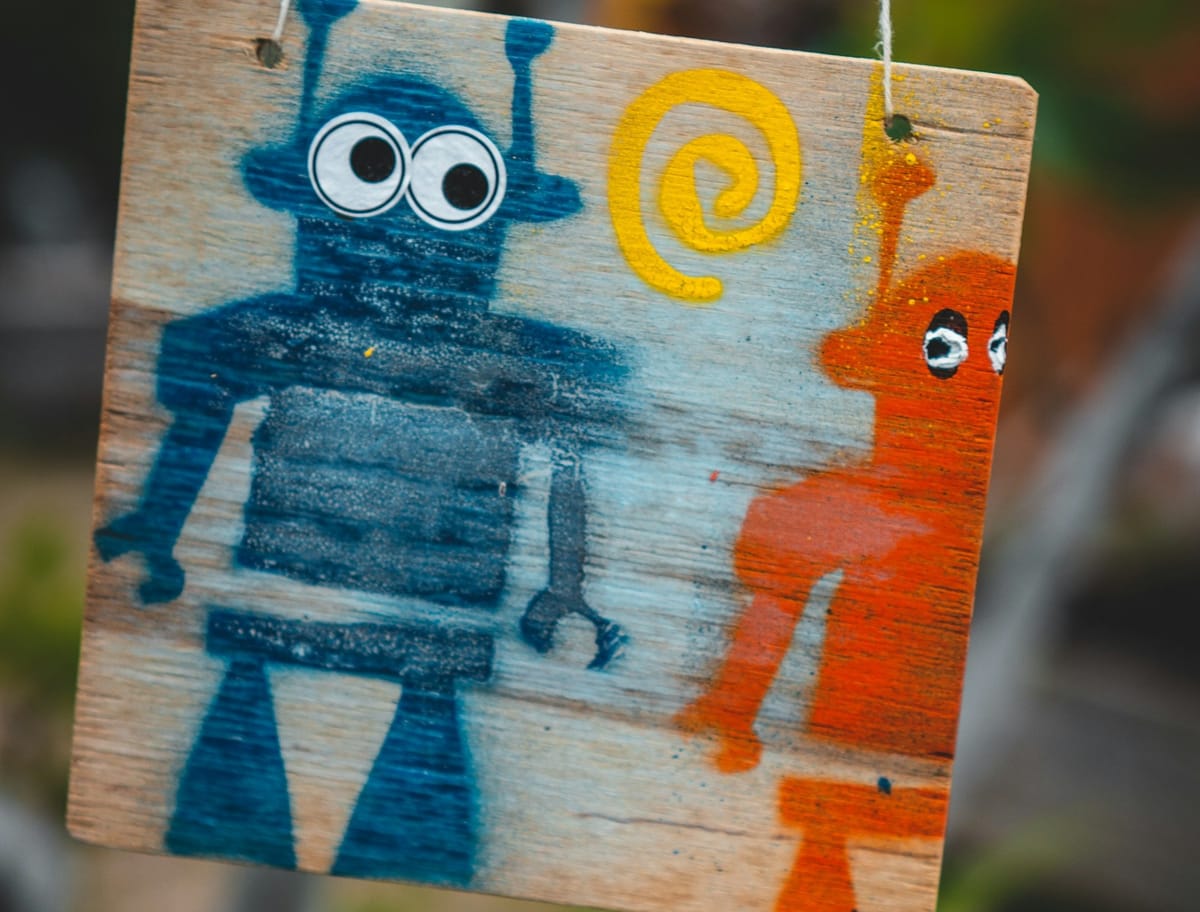
Robotics looks like play. Your child is building, programming, watching things move (or fail to move). It's engaging, it's fun, and yes—it's also deeply educational.
But not in the way you might expect. Robotics doesn't just teach coding or engineering. It builds three core thinking skills that transfer to everything: problem-solving, critical thinking, and creativity.
Here's what each one looks like in action, and why they matter long after the robot is packed away.
Problem-Solving
Problem-solving is figuring out what's wrong and fixing it using whatever you've got to work with.
When your kid is building robots, it looks like this: they program their robot to get through a maze, but it keeps smashing into the same wall over and over. Instead of yelling "it's broken!" and giving up, they go back to the code, test different commands, and figure out they need to add a turn before that wall. They identify the problem, try solutions, and keep adjusting until it works.
Why does this matter? Because life is basically one long series of things not working the way you expected. This is the kid who, when they can't figure out a word problem in math, doesn't just stare at it blankly—they break it down, draw a picture, try a different approach. Who gets stuck on a plot point in their story and figures out a way to make it work instead of abandoning the whole thing. Who has an argument with a friend and actually thinks through how to fix it instead of just staying mad.
Problem-solving is the difference between kids who fall apart when things don't go perfectly and kids who shrug and say "okay, let me try something else." And honestly? That might be the most useful skill they'll ever learn.
Critical Thinking
Critical thinking is looking at information, spotting patterns, and making smart decisions based on what you see.
When your kid is working with their robot, it looks like this: the robot has a sensor that detects obstacles. Your child notices that when the sensor reading is below a certain number, the robot crashes into things. So they adjust the code to make the robot turn earlier. They're not guessing randomly—they're looking at the data, figuring out the pattern, and making changes based on what they learned.
Why does this matter? Fast forward a few years: this is the kid who reads two different news articles about the same event and notices they're saying opposite things, so they dig deeper instead of just believing the first thing they read. Who looks at their math test, sees they keep making the same mistake, and figures out what they're doing wrong. Who realizes their friend has been acting weird all week and connects it to something that happened at lunch on Monday.
Critical thinking is basically noticing things, connecting the dots, and making decisions that actually make sense. It's not just for school—it's for everything. Every single day, for the rest of their lives, they'll be sorting through information and deciding what to believe and what to do about it. Might as well start now.
Creativity
Creativity is just coming up with new ideas and figuring out different ways to do things.
When your kid is messing around with their robot, creativity looks like this: they decide to build a robotic arm that can pick up LEGOs off the floor. Or they make a robot that looks like a dog and "barks" when it bumps into something. They're not following the instruction manual anymore—they're inventing their own projects and solving problems nobody told them to solve.
And here's why that matters: this is the same kid who, three years from now, writes a story with a plot twist you didn't see coming. Who figures out how to hang their poster without tape because you're out of tape. Who comes up with a compromise when two friends want to do different things at recess.
Creativity isn't just about art class. It's about looking at a problem and thinking, "What if I tried it this way instead?" That's a skill they'll use every single day for the rest of their lives.
How to Know If They're Actually Learning (Not Just Playing)
You don't need to quiz them. Just watch for these signs:
They troubleshoot instead of giving up. Robot doesn't work → they check the code, the batteries, the connections. They don't immediately say "it's broken" and walk away.
They experiment without being told. "What if I change this?" "Can I make it go backwards?" "I wonder what happens if..." They're testing variables, not just following instructions.
They explain their thinking. When you ask "How'd you do that?" they can walk you through their process. They're not just randomly pressing buttons—they have a plan.
They apply it elsewhere. When something doesn't work in real life (toy breaks, game glitches, bike chain falls off), they approach it the same way: identify the problem, test solutions, adjust.
They're still engaged after the first week. If they're still building, modifying, and inventing challenges for themselves weeks or months later, they're learning. If it's collecting dust, it was just a toy.


