Is It Just Play? What's Actually Happening When Your Kid Builds Robots
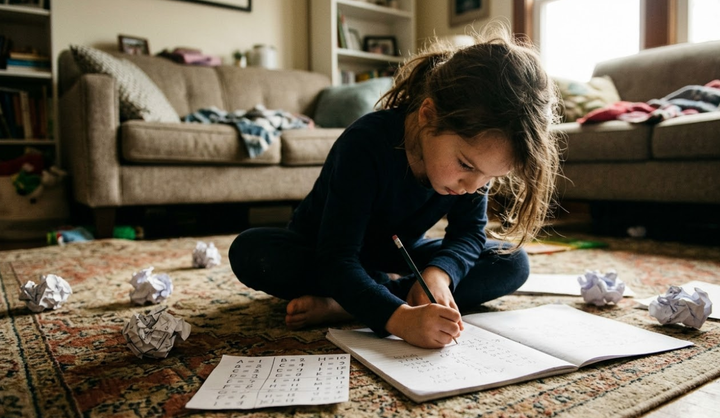
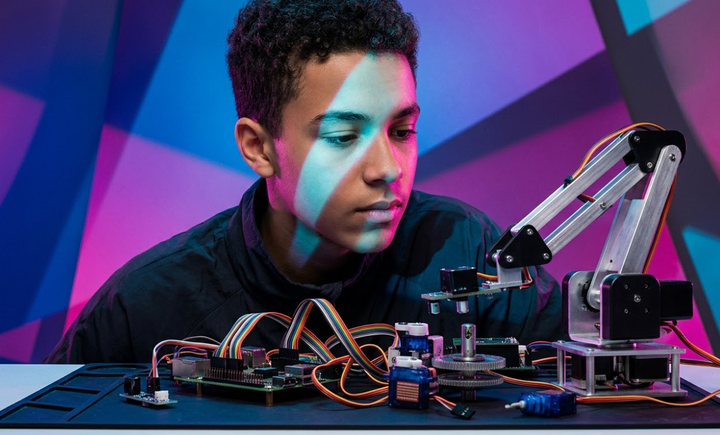
Your child is building, programming, watching things move or fail to move. It looks like play. It is play. It's also teaching three thinking skills that transfer to everything else and you can tell it's working without giving them a single test.
Robotics looks like play. Your child is building, programming, watching things move - or fail to move. It's engaging, it's fun, and yes, it's also educational. But not in the way most parents expect.
Robotics doesn't just teach coding or engineering. It builds three thinking skills that transfer to everything else: problem-solving, critical thinking, and creativity. Here's what each one actually looks like in practice.
Problem-solving
Problem-solving is figuring out what's wrong and fixing it with whatever you have available.
In robotics it looks like this: your child programs their robot to navigate a maze, but it keeps hitting the same wall. Instead of deciding it's broken and walking away, they go back to the code. Test different commands. Work out that they need to add a turn before that wall. Identify the problem, try solutions, keep adjusting until it works.
This is the same thinking that helps a child work through a maths problem they don't immediately understand, figure out why a story they're writing isn't working, or navigate a falling-out with a friend rather than just staying mad. The domain changes. The process doesn't.
The children who develop this early are the ones who, when something doesn't go the way they planned, shrug and try something else rather than falling apart. That might be the most durable skill robotics builds.
Critical thinking
Critical thinking is looking at information, spotting patterns, and making decisions based on what you actually observe rather than what you assumed.
In robotics it looks like this: a robot has an obstacle sensor. Your child notices that when the sensor reading drops below a certain number, the robot crashes. So they adjust the code to make it turn earlier. They're not guessing — they're reading the data, finding the pattern, and making a change based on evidence.
Later, that's the child who reads two news articles about the same event, notices they're saying opposite things, and wants to know why. Who spots the mistake they keep making on tests and figures out what's causing it rather than just getting it wrong again next time. Who connects the dots between something that happened at lunch and the way a friend has been acting all week.
Critical thinking is noticing things and doing something useful with what you notice. Robotics gives children regular practice at exactly that, in a context where the feedback is immediate and unambiguous.
Creativity
Creativity in this context isn't about art. It's about looking at a problem and trying a different approach when the obvious one isn't working.
In robotics it looks like this: your child stops following the instruction manual and starts inventing. They want to build an arm that picks things up. Or a robot that acts like a dog. Or a machine that solves a specific problem they thought of themselves. They're not doing what they were told - they're generating new ideas and testing them.
That's the same skill that produces a story with a plot twist no one saw coming, a way of hanging something on a wall when the tape has run out, or a compromise that makes two friends happy when they wanted different things. Creativity is applied flexibility. Robotics trains it in a domain where being wrong is cheap and trying again is fast.
How to tell if it's actually working
You don't need to test them. Just watch:
They troubleshoot rather than give up. Robot doesn't work - they check the code, the batteries, the connections. They don't immediately declare it broken.
They experiment without being told to. "What if I change this?" "Can I make it go backwards?" "I wonder what happens if..." They're testing variables, not just following instructions.
They can explain their thinking. When you ask how they did something, they can walk you through their process. They have a plan, not just a result.
They apply it elsewhere. When something breaks in real life - a bike chain, a game glitch, a toy - they approach it the same way: find the problem, test solutions, adjust.
They're still building months later. If the kit is still coming out regularly, being modified and improved and used to set new challenges, they're learning. If it's under the bed, it was just a toy.