Footprints on the Moon Will Outlast Almost Everything on Earth
Neil Armstrong's bootprints from 1969 are still perfectly crisp on the Moon's surface. No wind, no rain, nothing to disturb them. Scientists think they could last tens of millions of years.
Every dinner table needs a good "wait, really?" moment. This is one for tonight.
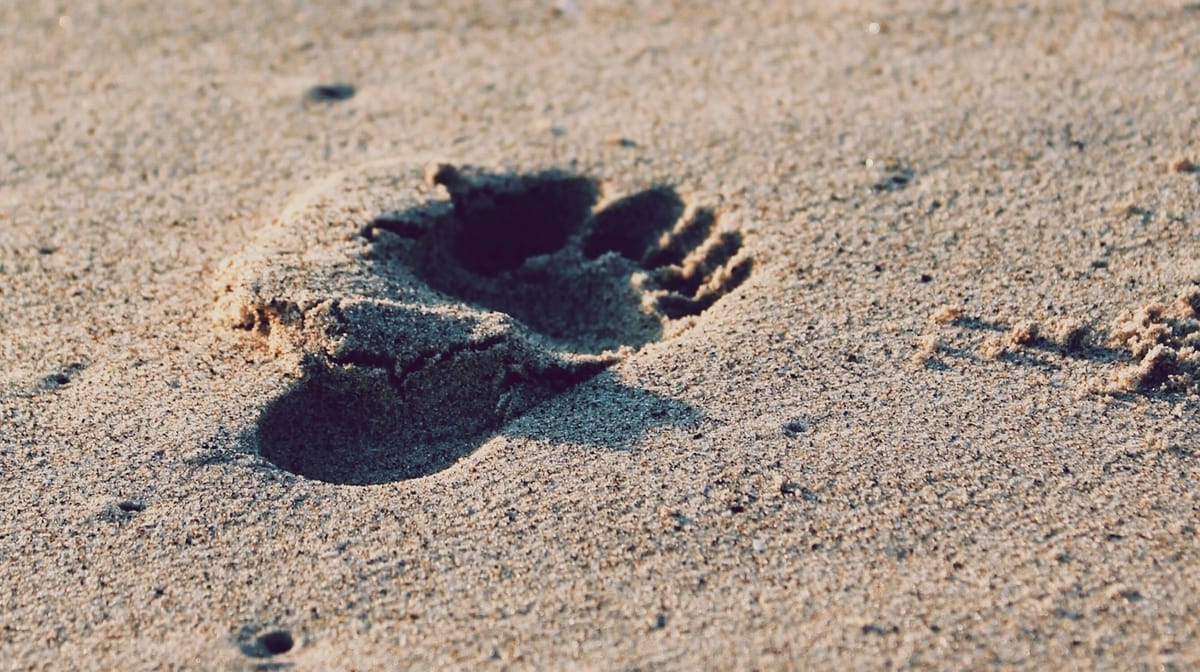
Make a footprint in some dirt or sand. Come back the next day. Rain, wind, a passing dog: something will have changed it. Give it a week and it's gone.
Neil Armstrong's bootprints from 1969 are still there. Perfectly crisp. Exactly as he left them.
The Moon has no atmosphere, which means no weather. No rain, no wind, no storms. Nothing moves unless something hits it. The dust Armstrong stepped in hasn't been disturbed by anything except the odd micrometeorite in over fifty years, and scientists estimate those prints could last tens of millions of years. There is something quietly strange about that: a single moment, frozen on a world where time barely touches the surface.
The same is true for every tyre track left by the lunar rovers, every piece of discarded equipment, every scuff from an astronaut's boot. The Moon is the most permanent guestbook in the solar system.