The Day We Reached for the Stars
We once only looked up. Then we built telescopes to see farther, rockets to climb higher, and brave little probes to travel where we could not. A telescope is a long eye. A rocket is a promise. We may be small beneath the stars — but we reach astonishingly far.
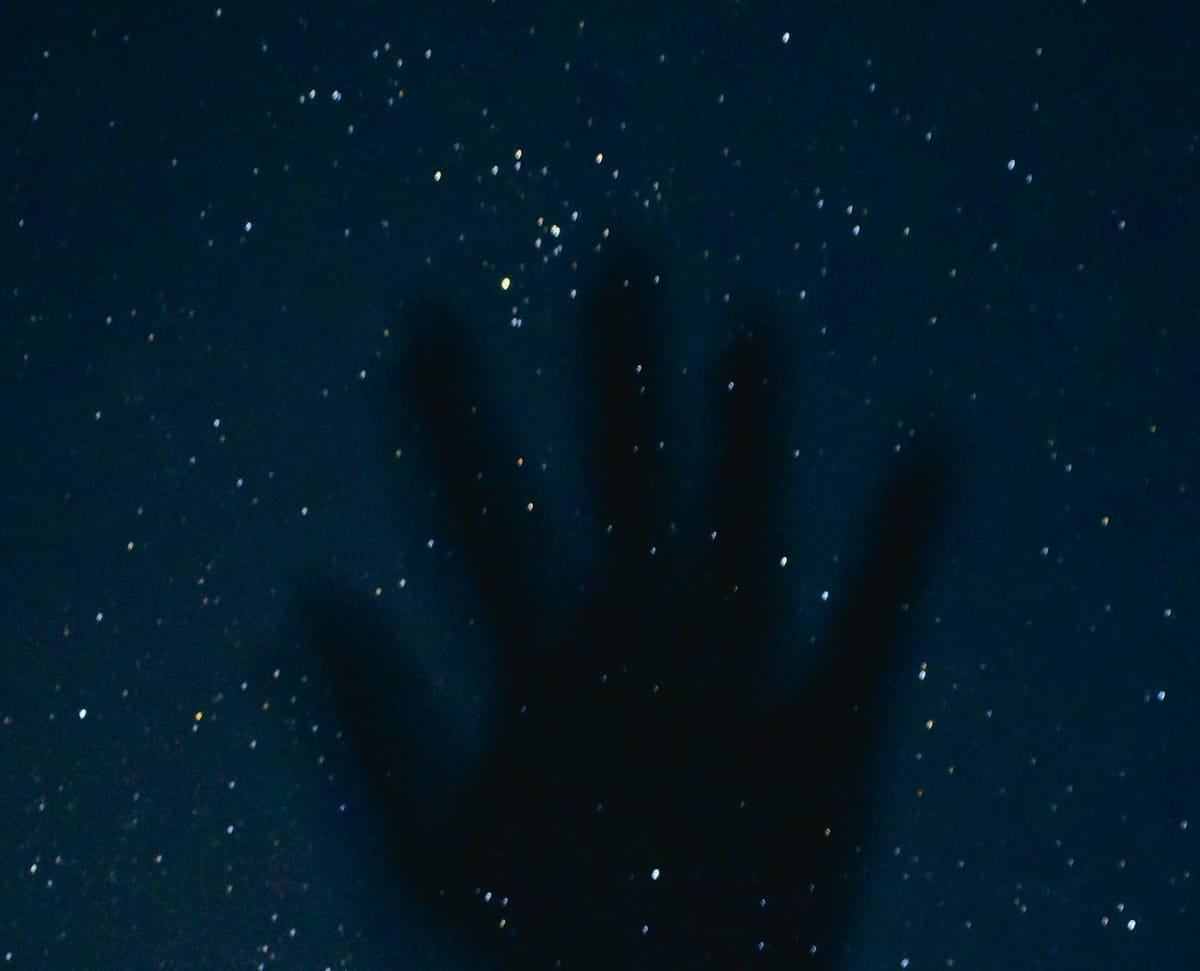
Long ago, people could only look up.
They stood under dark skies and stared at tiny lights that shimmered like silver dust. They squinted. They guessed. They told stories.
But looking was not enough.
So someone had an idea.
“What if,” they said, “we could see better?”
They built the first telescopes—long tubes with glass at each end. When people peered through them, the Moon grew craters. Jupiter gained moons. The blurry lights sharpened into worlds.
The sky was no longer flat. It was deep.
Years passed. Telescopes grew bigger. Taller. Smarter. Some were placed on mountaintops above the clouds. Some were sent into space itself, floating far above the Earth’s air so nothing could blur their view.
And still, curiosity grew.
Seeing was not enough.
“What if,” someone whispered, “we could go?”
Rockets were built. Tall. Trembling. Full of fire. They roared into the sky and did not fall back down. They carried machines called probes—brave little robots with cameras for eyes and antennas for voices.
One flew past Mars and sent back dusty pictures.
Another skimmed by Saturn and photographed its shining rings.
One even traveled beyond the planets, carrying a golden record with music and greetings, just in case someone, somewhere, might find it.
These probes did not sleep.
They did not complain.
They kept going.
Farther.
Farther still.
But the boldest explorers were human.
Astronauts trained for years. They practiced floating. They practiced fixing machines. They practiced staying calm when everything around them was loud and shaking.
Then they climbed into rockets.
Up they went—through blue sky, through thin air, into black space where Earth looked small and bright.
They repaired space telescopes.
They built space stations.
They walked where no one had walked before.
Why?
Because humans are curious creatures.
We invent.
We question.
We build tools to stretch our reach beyond what seems possible.
A telescope is a long eye.
A probe is a traveling messenger.
A rocket is a promise that we will not stay still.
And every time we launch something into the sky, we are saying the same thing:
We want to know.
Not to conquer.
Not to own.
But to understand.
The stars are far away. The planets are distant. Space is wide and quiet and enormous.
But human ambition is patient.
It sharpens glass.
It fuels engines.
It writes code.
It dares to imagine.
And with every new machine we build, every new image we receive, every new step we take, we prove something remarkable:
We may be small.
But we reach very, very far. 🚀✨


